Call

-
-
Email
info@Zeroleak.com
-
Address
Doddaballapura Bengaluru-561203
Everything You Need to Know About Our Waterproofing Products
FQA
1. Why do I need to waterproof when I can repaint?
Waterproofing is essential because it provides long-term protection against water damage, mold, and mildew, which paint alone cannot achieve. Repainting only offers a temporary aesthetic fix and may not address the root cause of the damage. Waterproofing treatments penetrate the surface to create a barrier that prevents moisture from seeping into the structure. This is especially important in areas prone to heavy rain or high humidity. In the long run, waterproofing can save you money on repairs and maintenance by preserving the integrity of your building.
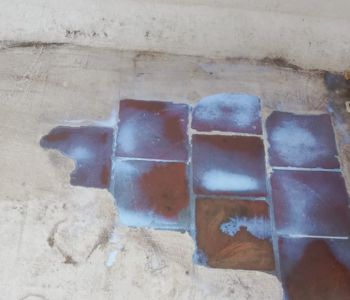
2. Why do new buildings leak?
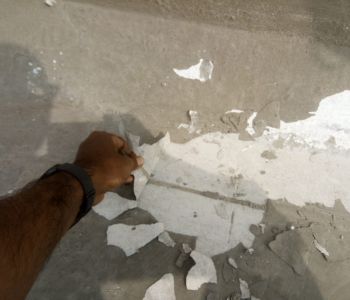
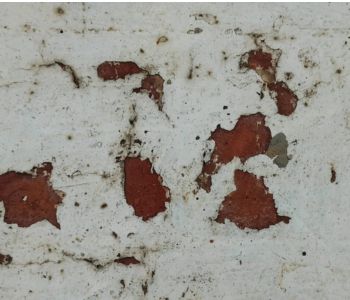
3. I couldn't see the witness, but paint peels off?
- Moisture: Even if not immediately visible, moisture can be present due to humidity or condensation, leading to paint peeling.
- Poor Surface Preparation: If the surface wasn't properly cleaned or primed before painting, the paint may not adhere well.
- Incompatible Paints: Using paint types that are not suited for the surface or mixing different paint types can lead to peeling.
- Temperature Fluctuations: Extreme temperature changes can cause the paint to expand and contract, leading to cracking and peeling.
4. Paint peeling off near ground level?
- Rising Damp: Moisture from the ground can rise through porous building materials, causing the paint to bubble and peel.
- Splash Back: Water from rain or irrigation systems can splash onto the base of the building, leading to paint deterioration.
- Poor Drainage: Inadequate drainage around the building can cause water to pool and affect the paint at ground level.
- Efflorescence: Salts from the ground can migrate to the surface, leading to a chalky residue that causes paint to peel.
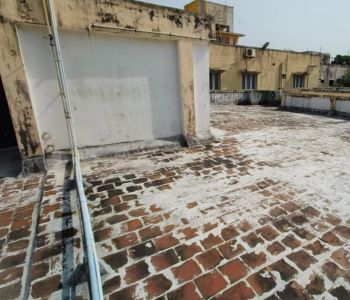
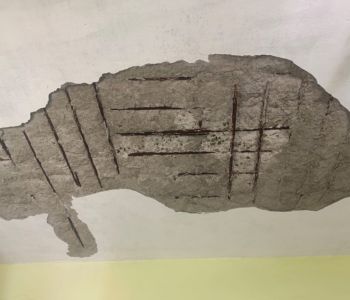
5. Some portion of the concrete ceiling has spalled. What should I do?
1) Identify the Cause: Determine if there’s a moisture problem, such as leaks from plumbing, roofing, or nearby HVAC systems.
2) Safety Precautions: Spalled concrete can pose safety hazards. Temporarily cordon off the affected area and wear protective gear if necessary.
3) Remove Loose Concrete: Carefully chip away the loose or damaged concrete until you reach solid material. Be cautious not to damage the surrounding area.
4) Clean the Area: Remove dust, dirt, and debris using a wire brush or pressure washer to ensure proper adhesion of repair materials.
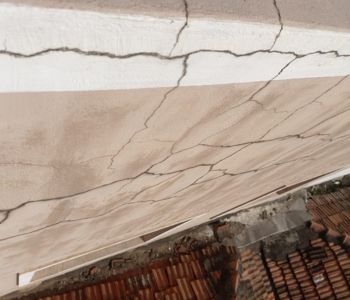
6. What is the cost of waterproofing treatment?
- Type of Waterproofing: Different methods such as membrane waterproofing, liquid waterproofing, cementitious waterproofing, or bituminous coating have different costs.
- Area Size: Larger areas require more materials and labor, increasing the cost.
- Material Quality: Premium waterproofing materials generally cost more but offer better protection and durability.
- Location: Costs can vary based on geographic location due to labor rates, material availability, and local regulations.
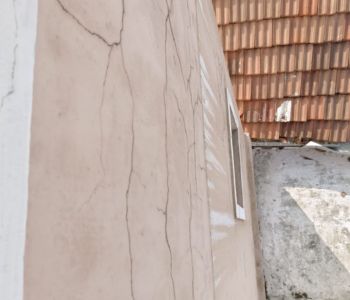
7. What covers under warranty?
- Material Defects: If the waterproofing materials are found to be defective or fail to perform as specified.
- Workmanship: If there are any issues resulting from improper installation or application by the contractor.
- Water Leakage: Protection against water intrusion through the treated areas due to a failure in the waterproofing system.
- Duration: The warranty period can vary, typically ranging from 5 to 20 years, depending on the contractor and product.
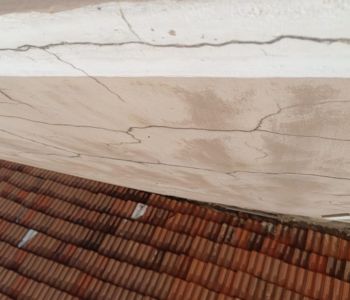
8. Dampness seen without rain and in the summer season?
- High Humidity: Humid climates can cause condensation on cool surfaces inside buildings, leading to dampness.
- Condensation: Air conditioning can create a temperature differential that causes moisture in the air to condense on walls, windows, or floors.
- Plumbing Leaks: Leaks from pipes or appliances can cause localized dampness regardless of the weather outside.
- Rising Damp: Moisture from the ground can rise through walls due to capillary action, especially if proper damp-proofing measures are absent.
Our Warranty
At ZeroLeak Waterproofing Solutions, we stand behind our work. We currently offer certified warranties of up to 15 years, a testament to our confidence in the durability and effectiveness of our waterproofing solutions.